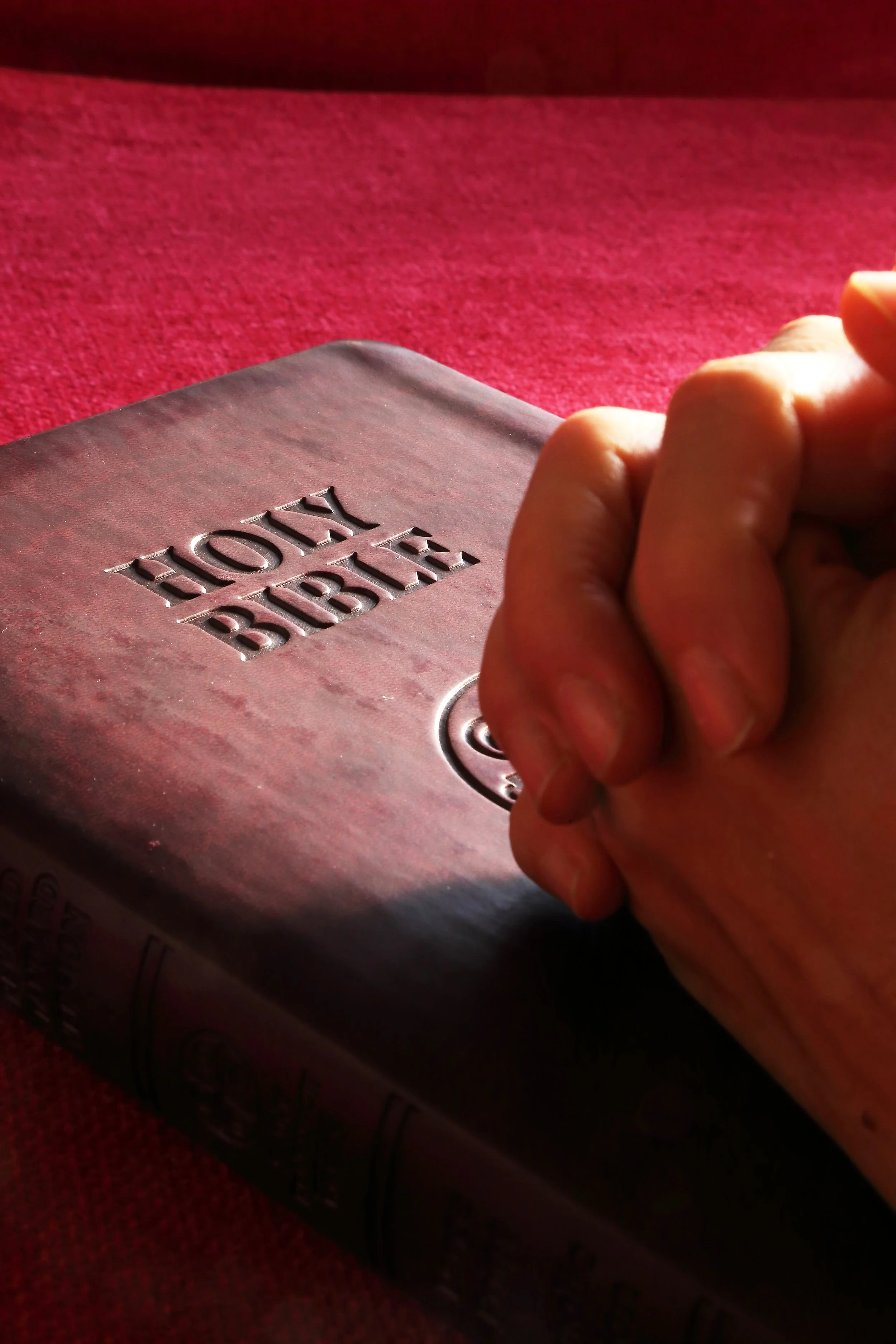

Power

Power and control are central themes in addressing abuse. Abusers use power to gain or maintain control over their partners. Within the groups we lead, attempts are made regularly to facilitate discussion and reflection around men’s abuse of power in general and more specifically how individual members of our group have used power to control their partners. We highlight the impact of abuse, the motivation and the beliefs behind our behavior.

Power Over

“She just wouldn’t give in.”

“I had to get her under control before someone got hurt!”

“What was I supposed to do?”

Statements like these and many more are common among abusers and evidence the all or nothing thinking produced by lording power over others. When we exercise power over others we limit our options. The goal of power over is to remain in control and therefore narrows our thinking making it difficult, undesirable or perhaps most accurately unacceptable to consider any option that may diminish our power. This mentality denies feedback, isolates us and our loved ones, and for the Christian defies the very instruction of the Lord Jesus Christ.

Power Under

Inevitably destructive men who claim the name of Jesus will bring up key Bible passages which they feel support their position to “keep her in her place” or “take control of the situation.” The assumption is that if they are called to “lead” or to be the “head” then they must take control. While there is much that could be said about headship and submission I tend to begin by challenging the sinful approach of power over with the words of Jesus. When Jesus was asked about the role of power in the life of a believer he spoke clearly and effectively.  Regarding positions of power Jesus said,

“You know that the rulers in this world lord it over their people, and officials flaunt their authority over them.  But among you it will be different. Whoever wants to be a leader among you must be your servant, and whoever wants to be first among you must become your slave. For even the Son of Man came not to be served but to serve others and to give his life as a ransom for many.” Matthew 20:25-28

But among you it will be different. There doesn’t seem to be a whole lot of wiggle room here. When it comes to authority and power the world presses down, restricts, dominates, controls, subdues, and believers are to have no part of it; we are instead to serve. When the world demeans, we empower, when they control, we promote freedom, when they act superior we practice humility, when they reject accountability we submit. The bottom line is that we are different. A husband who lords abusive power over his wife is living inconsistent with the clear teaching of Jesus and it is safe to say that he serves someone or something other than the Savior. The heart of pride longs for power over, but the heart of Christ calls for power under.

With great power comes great responsibility.” –Uncle Ben from Spiderman

I know that power is a reality in the world we live. Generally speaking men are bigger, stronger, and faster than women. Whether we believe it is fair or just, men still hold a great deal of power socially, politically, and in most arenas of life. The question is how will we respond to this power? We as men can continue living in privilege with little or no thought to its impact on women or we can take responsibility, using our power and influence to serve and empower others. The more we practice power under by embracing humility, receiving feedback and criticism well, and recognizing others as more important than ourselves (Philippians 2:3) the more, I believe, we’ll promote a new paradigm of power under.

Peace

Am I Really Forgiven?

Today's post is by my friend Bev Moore.

Jill thought for a long time about God’s forgiveness. She had spent so many years dealing with feelings of condemnation and guilt.  What she was experiencing now seemed like a dream—something too good to be true. She was nervous that something was going to go wrong, or that maybe God was waiting to heap on the guilt the next time she messed up.

Many of our counselees can identify with Jill.  When they are introduced to the gospel—that they can be forgiven by God’s grace—it’s almost more than they can believe.  But by God’s grace they do believe!  Yet sometimes they feel uneasy but they’re not quite sure why.

One thing that really helped Jill was reading how Jesus demonstrated His love for a woman who desperately needed His forgiveness. It wasn’t hard for Jill to identify with the woman in this story. Jill got to see the love and compassion Jesus freely gave to someone like her.

It’s the beautiful story found in Luke 7:36-50 where Jesus was invited to dinner at the home of a Pharisee named Simon. While there a woman who had lived a sinful life came to the house with an alabaster jar of perfume and she wet Jesus’ feet with her tears and wiped them with her hair. She kissed His feet and anointed them with the perfume. Simon was repulsed by what he saw and couldn’t believe Jesus could allow Himself to be touched by this “sinner.”  

Jesus knew what Simon was thinking and told him a story involving a moneylender and two men that owed him money and how the moneylender forgave both debts.  Jesus asked Simon which man he thought would love the moneylender more. Simon knew that the man with the bigger debt canceled would love the moneylender more. Here is how the rest of this scene played out:

“You have judged correctly,” Jesus said. Then He turned toward the woman and said to Simon, “Do you see this woman? I came into your house. You did not give Me any water for my feet, but she wet my feet with her tears and wiped them with her hair. You did not give Me a kiss, but this woman, from the time I entered, has not stopped kissing my feet. You did not put oil on my head, but she has poured perfume on my feet. Therefore, I tell you, her many sins have been forgiven—for she loved much. But he who has been forgiven little loves little.” Then Jesus said to her, “Your sins are forgiven.” The other guests began to say among themselves, “Who is this who even forgives sins?” Jesus said to the woman, “Your faith has saved you; go in peace.” (Luke 7:43-50)

What a striking contrast between two people—a Pharisee, who placed his faith in his own self-righteousness and goodness, who erroneously believed he had a very small debt he owed to God, and believed he could earn God’s favor by keeping the rules. And a woman who knew she had a huge debt she owed to God and she could never even begin to repay Him, but who put her faith in Jesus. This woman was well aware of her guilt and her need for forgiveness. She knew she had to come to Jesus for the forgiveness she desperately wanted and needed.

For some, believing that God will forgive every sin is difficult to accept as true. Why? Here are several reasons to consider:

• We doubt that God will ever accept us after what we’ve done. We think that our sin is too big or too awful for God to forgive.

• We continually repeat our sin, feeling trapped in a never-ending cycle of defeat and despair.

• We fail to grasp the holiness of God and His hatred of sin so we fail to see our sin as a direct offense against God.

• We attempt to establish our own standard of righteousness and feel defeated and unforgiveable when our performance doesn’t measure up to our satisfaction.

• We fail to grasp the depth of God’s forgiving grace through the sacrifice of His Son’s life.

Jill was grateful for God’s forgiveness, but wrestled with this thought: “I just can’t forgive myself for the things I’ve done.” Very often we feel regret, shame, and condemnation for the things we’ve done that have caused us and others pain and heartache. It feels like we need to forgive ourselves, but it’s a misconception that we have wronged ourselves. Our sin is against God (and possibly others), and it’s His forgiveness that we need. We may feel the need to forgive ourselves so that we can feel better about ourselves, but nowhere in Scripture are we commanded to do this. Forgiveness was purchased for us at the cross because ultimately our sin is against God.

In order to get past the regret we have regarding our sin, we have to keep our heart and mind focused on the cross and what Jesus did for us there. When the devil wants to remind us of battles lost and tries to rub our noses in our failures, we can confidently say to him, “I am worse than you think, but I have a GREAT BIG GOD who is bigger than all my sin. He has washed me and made me whiter than snow through the blood of Jesus Christ!”

But what if I don’t feel forgiven?  Forgiveness is a fact, just like guilt is a fact. I don’t always feel guilt when I am guilty, nor will I always feel forgiven when I confess my sin to God and He forgives me. There may be residual regret and possibly painful consequences that are reminders of our sin. But we have to focus on the truth of God’s Word: if we confess our sin, God is faithful and just and will forgive our sins and cleanse us from all unrighteousness. If we base our forgiveness on feelings, what does that say about what Christ has done for us? Could we be saying that not only did He have to die for our sin, but now He has to give us the feelings we desire in order to believe and/or feel we are forgiven? Are we saying that what He has already done was not enough? We can certainly spend a lot of time trying to feel good about ourselves, but that should not be the goal. We are to humbly live by faith in the truth, not faith in our feelings!  

We have to help our counselees focus on God’s Word and pray that the Holy Spirit will renew their minds with the truth so that they can walk in the light and in the precious freedom of God’s forgiveness.

MooreBev.jpg

Bev Moore (M.A.B.C.) is on the counseling staff at Faith Church in Lafayette, IN. She is married to George and they have two grown sons. She co-authored In the Aftermath: Past the Pain of Childhood Sexual Abuse. 

Sacred Cows in Church

Today's post is by my friend Joy and was first published on her blog at Called to Peace Ministries. 

When Christians Honor Institutions Over People

Recently our ministry hosted a conference on domestic violence in the church. We promoted it to pastors and church counselors, but the majority of participants turned out to be former and current victims of abuse. As participants introuduced themselves, I heard an all to familiar story. Several mentioned surviving abuse only to find themselves being hurt again by their churches.

One dear lady said she left the church altogether after she reported the abuse and separated from her abuser. Her husband was in leadership at the church, and the other leaders believed his story over hers. Rather than finding help when she mustered up enough courage to reach out for help, she received blame. According to the church, she was desecrating the holy institution of marriage by separating from her husband, and there was no way she could convince them otherwise. Eventually, she chose freedom from bondage over the church, and she has been out of church ever since. She gets sermons online and on the radio, but she is afraid to trust Christians in a community setting again. There were other participants with similar stories, but most moved to other churches rather than leaving the church altogether.

I can’t tell you how many times I have heard this story over my years as an advocate of domestic violence victims. Why do churches so often seem to honor institutions over people? Apparently, it’s fairly common among religious people. Jesus regularly offended the religious leaders’ understanding of the Sabbath. In their eyes, he was constantly violating it, but Jesus responded with “The Sabbath was made for man, not man for the Sabbath.” In other words, when God ordains something, it is out of love for his people, but too often we get religious and elevate the institutions above the ones they are intended to bless. Even in ancient Israel this was a problem.

Say to the people of Israel, ‘This is what the Sovereign LORD says: I am about to desecrate my sanctuary—the stronghold in which you take pride, the delight of your eyes, the object of your affection. The sons and daughters you left behind will fall by the sword. Ez. 24:21

It’s interesting to me that when God brought judgment on Israel, he even destroyed his own sanctuary. The thing he had set up as holy and valuable would become completely desecrated. As a parent, I know how difficult punishing my children could be—sometimes it hurt me as much as it did them. This had to be the case for God. He could no longer sit by and watch their self-destructive course, and the only remedy was severe consequences, because all the warnings in the world had not even fazed them.

They had turned his sacred sanctuary into an object of idolatry, and as a result he even allowed it to be destroyed. He cares far more about our devotion than any institution. The modern church certainly seems to have their own set of idols, and marriage seems to be at the top of the list. When we allow a good thing that was instituted by God become more important than those it was intended to bless, we miss his heart. It reminds me of the sacred cows in India. People die of starvation daily while they walk around unfettered and unused as a source of food.

In the modern church, marriage has become a “sacred cow.”  Yes, marriage is a wonderful thing, but when one partner chooses to break the covenant it can become a source of harm rather than blessing. I’m not saying we shouldn’t try to save failing marriages, but when that is not possible, we must never condemn someone for leaving a harmful situation. God cares more about people than institutions—even those he established. Legalism cares more about the institutions, even when people are perishing in the midst. My heart grieves for people like that dear lady who came Saturday. Since she was not honored above her marriage, she has walked away from another institution (the church) that should be speaking life into her wounded soul.

Lord,  awaken your church, and help us learn to love you and your people above anything else– even good things you have ordained. Amen

joy-head-shot.jpg

Joy Forrest has been an advocate for victims of domestic violence since 1997. She holds an M.A. in Biblical Counseling from Southeastern Baptist Theological Seminary, and held the position of Community Educator for Safe Space Domestic Violence Services in Louisburg, NC from 2000-2001. She has served as a biblical counselor in church settings since 2004. Her own experiences as a former victim of domestic abuse, along with her involvement with Safe Space and church counseling, caused her to see a major need for churches to become better equipped to help families affected by DV. In January 2015, she helped establish Called to Peace Ministries to promote domestic violence awareness, particularly within the faith community. Joy is also a Certified Advocate with the NC Coalition Against Domestic Violence. Learn more about Joy at www.calledtopeace.org

Telling the Truth To Yourself

“Whoever conceals his transgressions will not prosper, but he who confesses and forsakes them will obtain mercy.” Proverbs 28:13

So often when I ask men to share with me how they came to be in a batterer intervention group I find they are eager to “set the record straight.” Generally speaking, most of the men I have worked with put forth a great deal of effort to convince me that they are in fact victims. Some will vacillate back and forth between excuses ranging from unfortunate circumstances to a feminist agenda bent on destroying families. Regardless of the rationale one truth remains consistent, they are being treated unfairly. The temptation for these men is to deny their own responsibility, usually by highlighting their partner’s problems. Many will insist she needs the class far more than they. Sometimes it may seem like I’m out to get them or that I’m unwilling to listen to their side of the story. The reality is that change will not happen in our own hearts as long as we continue to defend our own pride with lies or half-truths.

Put off Denial

Our pride convinces us that wicked behavior is sometimes necessary to maintain control or that malicious intent is justified when we feel wronged. This attitude may have led you to physically harm your partner or to call her ugly names. Perhaps you’ve thrown things across the room or punched holes in the walls to communicate you’re not pleased with her choices. If any of this is true than you may also find it necessary to hide certain details, bend certain truths to minimize your behavior while emphasizing the ways in which you’ve been wronged. This tendency toward denial is not going to help produce the change you really need. It’s a trap so devastating that it will not only destroy your relationship but will also ensnare your heart. I’m pleading with you to accept responsibility for your actions. Acknowledge the abusive behavior and the impact it has had on your partner.

“Draw near to God, and he will draw near to you. Cleanse your hands, you sinners, and purify your hearts, you double-minded. Be wretched and mourn and weep. Let your laughter be turned to mourning and your joy to gloom. Humble yourselves before the Lord, and he will exalt you.”  James 4:8-10

Change is a difficult and often times a lengthy process that requires, among other things, taking responsibility. You must acknowledge the truth about yourself and put off the denial. Would you be willing to speak truth to yourself today?

“Therefore each of you must put off falsehood and speak truthfully to your neighbor, for we are all members of one body.”  Ephesians 4:25

Final Thought

If I were to ask you about your abusive behavior what would say? Would your story include statements like these?

“I’ve done nothing wrong!”

“She knows how to push my buttons.”

“This is all blown out of proportion.”

Let me encourage you to recount the story again, but this time only focus on your actions. Fight the temptation to justify them, excuse them away or gloss over them. Make a list of the ways in which you harmed your partner. Have you physically harmed her? Have you called her ugly names? Have you damaged her reputation with lies? Telling the truth will not fix everything that seems wrong in your life right now, but it is a far better choice than lying to yourself and others.


Member Login
Welcome, (First Name)!

Forgot? Show
Log In
Enter Member Area
My Profile Not a member? Sign up. Log Out